With Harper Lee’s second novel, Go Set a Watchman, due for release later this year, it seemed a perfect
opportunity to revisit her original 1962 Pulitzer Prize winner.
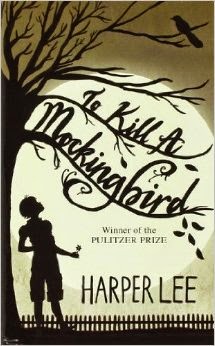
Scout Finch lives in Depression struck Maycomb, Alabama,
with her widowed father, Atticus, older brother, Jem, and house keeper,
Calpurnia. Their childhood ventures during the summer are accompanied by Dill,
a neighbour’s nephew. The talk of the town one year is Atticus defending
Tom Robinson, a black man accused of raping a white woman. But the children
have their own dilemma surrounding Boo Radley, the boogieman of the
neighbourhood.
Lee creates the intimacy of a small town through a toy box of
tales, collecting spook stories, folk tales, tall tales, and neighbourhood
gossip. But these are not simply exaggerated,
occasionally humourous, fictions sung by residents about their fellow citizens.
Stories in Maycomb have the ability to console or destroy, to commend or
condemn.
Many appraisals of the novel focus on the depiction of race
relations, with Tom Robinson becoming the titular mockingbird. But he is one of
many in the story. Even his accuser, Mayella Ewell, tries desperately to sing,
only to be chocked by her father’s brutal bawl. But the central mockingbird of
the tale is Boo Radley, the gentle, generous soul, nested in his house, offering occasional whispered melodies.
To Kill a Mockingbird is both an ode to and living proof of the
power of stories to change lives.
Andreas

